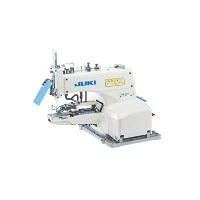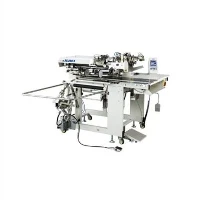

How to choose a Juki Chainstitch Machine?
Sep 04, 2024
Choosing a Juki chainstitch machine involves assessing several factors to ensure that it meets your specific sewing needs. Here's a guide to help you make an informed decision:
1. Understand Your Needs
Type of Projects: Determine what types of projects you'll be working on (e.g., garment construction, denim, home textiles). Chainstitch machines are often used for hems, seams, and decorative stitching in various fabrics.
Fabric Types: Consider the types of fabrics you will use. Chainstitch machines are suitable for lightweight to medium-weight fabrics, but some models can handle heavier materials.
2. Machine Features
Number of Needles: Juki chainstitch machines can come in single-needle or double-needle configurations. Single-needle machines are versatile for many tasks, while double-needle machines provide a more robust and decorative stitch.
Stitch Length and Width: Look for a machine with adjustable stitch length and width to accommodate different sewing requirements.
Feed Mechanism: Choose a machine with a reliable feed mechanism (e.g., walking foot or drop feed) for consistent stitching on various fabrics.
3. Build Quality
Construction: Opt for a machine with a sturdy metal frame and high-quality components to ensure durability and stability during operation.
Brand Reputation: Juki is known for its high-quality industrial sewing machines. Ensure you are selecting a model that aligns with their reputation for durability and performance.
4. Motor and Speed
Motor Power: Check for a machine with a powerful motor to handle different fabrics and sewing tasks efficiently.
Speed Control: Consider machines with adjustable speed settings to give you greater control over your stitching.
5. Ease of Use
User Interface: Look for a machine with an intuitive user interface and easy-to-reach controls for a smoother sewing experience.
Maintenance: Choose a machine that is easy to maintain, with accessible parts for routine cleaning and lubrication.
6. Accessories and Attachments
Included Accessories: Check what accessories come with the machine, such as presser feet, needles, and bobbins.
Additional Attachments: Verify if the machine supports additional attachments or feet for specialized tasks, like rolling feet or piping feet.
7. Price and Budget
Budget: Determine your budget range and look for a Juki chainstitch machine that offers the best value within that range.
Investment Value: Consider the machine as a long-term investment and choose a model that provides durability and functionality suited to your needs.
8. Customer Support and Warranty
Warranty: Ensure that the machine comes with a comprehensive warranty for parts and labor.
Customer Support: Look for brands and models with strong customer support and a reliable service network for maintenance and repairs.
9. User Reviews and Recommendations
Reviews: Read reviews from other users to gauge the machine's performance and reliability.
Recommendations: Seek advice from industry professionals or sewing enthusiasts who have experience with Juki chainstitch machines.
10. Test the Machine
Hands-On Testing: If possible, test the machine to evaluate its performance and comfort. Check how it handles different fabrics and assess its ease of use.
By carefully evaluating these factors, you can choose a Juki chainstitch machine that best fits your specific sewing needs and preferences.
If you need to purchase an JUKI Sewing Machine, you can choose DAPSEW. The brand we cooperate with is the JUKI brand.
you can contact:
Email: sales@dapsew.com
WhatsApp: +8613186027908