
Do sewing machines use a lot of electricity?
May 16, 2023
If you are a sewing enthusiast or professional, you may have wondered whether using a sewing machine consumes a lot of electricity. Sewing machines have been around for hundreds of years, and with advancements in technology, modern machines come equipped with different features that allow them to perform various functions. However, as with any electrical device, a sewing machine will consume some amount of power while in operation.
Do sewing machines use a lot of electricity?
The short answer is no. A typical sewing machine uses between 50 to 100 watts of electricity, which is relatively low compared to other household appliances. For example, a dishwasher can use up to 1,200 watts of electricity, and a clothes dryer can consume between 1,800 to 5,000 watts, depending on the model.
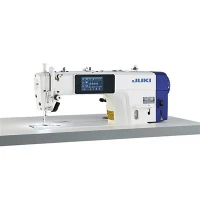
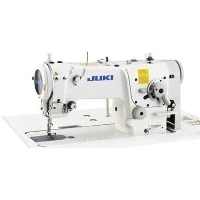
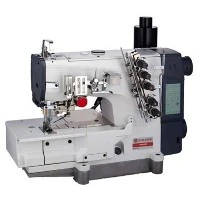
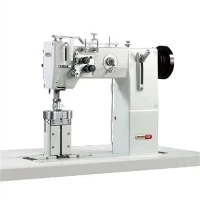
The amount of electricity a sewing machine uses depends on several factors, including the type of machine, the manufacturer, and the features it comes with. For instance, an industrial sewing machine, which is designed for heavy-duty sewing, may consume more electricity than a regular domestic sewing machine. Additionally, a machine with built-in lighting features or high-speed motors may use more electricity while in use.

While the amount of power usage varies between machines, it is essential to understand that even if a sewing machine uses more electricity, the overall cost is still relatively low. Suppose a machine uses an average of 100 watts of power per hour. In that case, it would take approximately ten hours of continuous use before it consumes one kilowatt-hour (kWh) of electricity, which is the standard unit of measurement used by utility companies. The cost of a kWh of electricity also varies depending on your location and utility company, but on average, it costs between 10 to 20 cents per kWh.
Save on energy costs

It is essential to note that although sewing machines use relatively little electricity, their usage still contributes to your overall energy consumption. Therefore, if you want to save on energy costs, there are several things you can do to optimize your sewing machine usage. For instance, you can use natural lighting during the day instead of turning on the machine's built-in lighting feature. Additionally, you can use a foot pedal to control the machine's speed and avoid running it at full throttle unless necessary.
Another way to reduce your sewing machine's power usage is to ensure that it is well-maintained. Regular cleaning and oiling not only extend the lifespan of the machine but may also improve its efficiency and reduce power consumption. It is also essential to use the right needle and thread for the job to prevent the machine's motor from working harder than necessary.