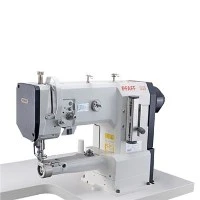
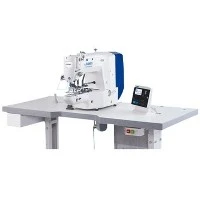
Characteristics of Chain Stitch
Feb 21, 2024
The biggest characteristic of a chain stitch is that it has great elasticity and is not easily broken. This is because, in a chain stitch, the looper thread passes through the previously formed loop on each stitch, creating a continuously linked chain. As more stitches are added, the chain can stretch and recover based on the fabric. This gives chain stitch inherent elasticity and strength compared to other stitch types.

Based on this trait, we try to use chain stitch machines as much as possible when designing sewing processes for stretchable and elastic fabrics. Using chain stitches on these fabrics means the seams are less likely to break even when the garment is stretched. The linked chain structure allows the stitching to flex and move with the fabric.
Chain stitch is commonly used on knitwear, activewear, and denim items which require stretch and flexibility. For t-shirts, activewear tops, and bottoms, the shoulder seams, side seams, and hems often utilize chain stitches for optimal stretch recovery. This maintains the original shape and prevents seams from popping when the garment is worn.
For example, the waistband seam on jeans is often made with a chain stitch. This allows the waist to have some stretchiness and flex. Even tight-fitting jeans can be worn comfortably without feeling restrictive. The waist can expand slightly when sitting or bending while still keeping its structure. Without a chain stitch, the waist seam may be prone to breakage over time.
However, since the chain stitch is close-fitting to the body, improperly calibrated stitching can cause discomfort. If the chain is too tight with small gauges, it may feel rigid and abrasive, especially on sensitive skin areas. The tight protruding stitches can rub against the skin, leading to irritation.
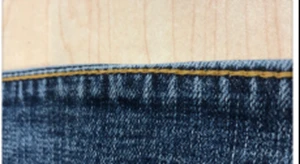
In the top image, the waistband chain stitch has small gauges, with the taut chain formed by the looper thread. This gives an overall appearance that is too tight. It feels hard and inflexible to the touch, which can rub against the skin and cause redness or even pain.
In the bottom image, the chain is formed by a loose cover thread with larger gauges. This results in the overall appearance being much looser and more relaxed. It doesn't feel abrasive to the touch when worn. There is enough slack in the threads to allow comfortable stretch and movement.
|
|
|

This shows that as garment makers, we must consider every detail thoroughly when constructing clothes. The position and calibration of the chain stitch require careful testing during production to balance durability with comfort. Getting the strain and tightness right ensures that the end consumer has an enjoyable wearing experience without irritation or restrictions.
By understanding the advantages of chain stitches, manufacturers can utilize them appropriately on elasticity-requiring garments and parts. But the stitch settings still need fine adjustment to avoid issues. Careful inspection and sampling are necessary to optimize chain stitch for specific fabric types and locations. With good execution, chain stitch can improve the performance and longevity of stretchy athleticwear, denim and knits.
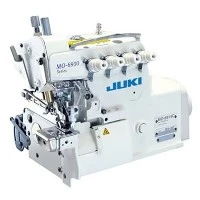
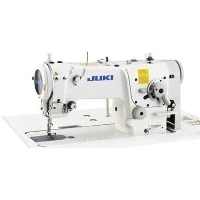
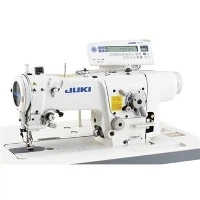
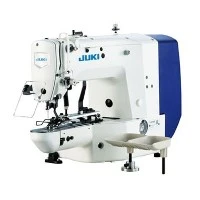
If you, as a clothing person, are looking for a Juki Chainstitch Machine, please contact us to purchase it.you can contact Email: evan@dapsew.com WhatsApp: at +8613186027908!