Single Needle Sewing Machine Parts
Jan 29, 2024
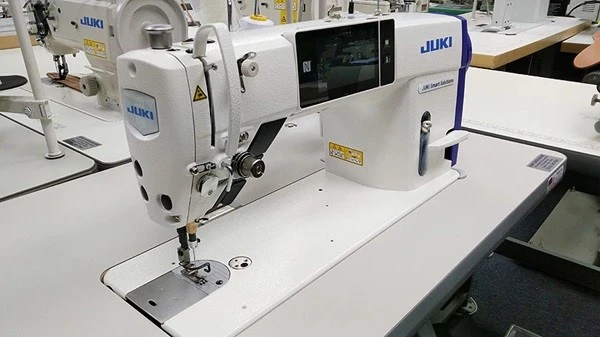
Sewing machines are ingenious devices that use thread and needles to stitch fabric or other materials together. While modern home sewing machines are designed for simplicity and ease of use, industrial sewing machines are built for durability, efficiency, and precision stitching. Single needle sewing machines, as the name suggests, utilize a single thread and needle to produce uniform stitches at high speeds. today, DAPSEW will explore the various components and parts that make up a single needle industrial sewing machine.
Ⅰ.Needle and Thread Mechanisms
The needle and thread delivery systems are the heart of single needle sewing machines. The needle must move vertically up and down through the fabric to produce stitches. The thread is carried by ossciliating take-up levers to the eye of the needle and locked correctly under tension. Common parts here include:
① Needle bar and needle clamp - Holds the needle in place and moves it up/down when sewing
②Take-up lever - Controls thread tension and loop formation
③Thread guides - Lead thread from spool to needle
④ Tension discs - Apply torque on a thread to control tightness
Ⅱ.Feed Mechanism
The feed mechanism is what advances the fabric under the needle for stitch formation. This includes:
① Feed dogs - Pointed projections under needle plate that grip fabric
② Throat plate - Metal plate with a hole for needle and feed dogs
③ Feed dog dial - Adjusts the height of feed dogs for fabric control
④ Stitch length regulator - Controls fabric feed amount per stitch
Ⅲ.Presser Foot
The presser foot holds the fabric down onto the feed dogs to allow proper gripping and advancing. Different presser feet can be attached for specific stitch types or fabric weights. Common presser foot types include:
① Standard presser foot - For basic stitching
② Zipper foot - For inserting zippers neatly
③ Buttonhole foot - For creating buttonholes evenly
Ⅳ. Bobbin System
An industrial sewing machine uses a bobbin case and hook system underneath to catch the bottom thread loop and interlock it with the top thread. The key parts here are:
① Bobbin case and hook - Rotating assembly which catches thread loop
② Bobbin winder - Winds thread evenly onto the bobbin for proper tension
③ Feed and tension discs - Maintains correct bobbin thread tightness
Ⅴ.Motor and Drive
These provide the actual power and motion for the sewing machine:
① Electric motor - Generates the requisite force and torque
② Handwheel - Manual wheel for graduating machine movement
③ Belt drive - Connects motor to machine mechanism
④ Servo motors - For precise start/stop control (in computerized machines)
Ⅵ.Bed and Frame
The sturdy bed and frame supports all the movements and provides stability during high-speed operation:
① Bed - Flat raised surface for fabric support
② Arm - Overhanging section housing needle mechanism
③ Pillar - Vertical column for mounting arm and drive mechanism
④ Handwheel - Manual wheel for graduating machine movement
⑤ Base - Heavy standalone structure or table mount
Design engineering and precision manufacturing allows all these numerous components to work together in perfect synchrony to create a reliable and efficient single needle sewing machines. With proper maintenance and care, an industrial sewing machine can deliver many years of continuous service for any sewing application and work environment.
No matter which machine you want to purchase, you can contact us. We deal the world famous brand industrial sewing machines to the market, you can contact Email: evan@dapsew.com WhatsApp: at +8613186027908!